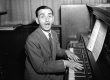
The Jazz Age
I love the jazz age!!! Especially jazz music!
Loving the Jazz Age is all about embracing the excitement and creativity of the 1920s when jazz music took center stage. This was a time of change, where people broke free from old traditions and celebrated life with lively music that made you want to dance. Family and personal favorite artists like Louis Armstrong and Duke Ellington brought a fresh sound that blended improvisation and rhythm. Oh, the energy!!!
Jazz wasn’t just music; it was a way for people to express their feelings and connect with one another, creating a sense of community during a vibrant era known as the Roaring Twenties.
For instance take a look at this clip from 1933 feature Louis Armstrong. Just wow!!!
The Jazz Age (never died!)
The Jazz Age, though often associated with the Roaring Twenties, never truly died. While the decade’s exuberant energy and cultural revolution may have waned, the spirit of jazz music and the social freedoms it represented continued to evolve and influence subsequent generations. Jazz, with its improvisational nature and ability to blend diverse musical traditions, became a cornerstone of American popular culture, inspiring countless musicians and shaping the sound of music for decades to come. Though the specific cultural context of the Jazz Age may have passed, its legacy lives on in the enduring appeal of jazz music and its enduring influence on society.
- freedom, experimentation, and individualism
- rhythmic complexity, improvisational style
- the flapper who challenged traditional societal norms
- a period of rapid urbanization and economic growth
- the passage of the 19th Amendment
- a powerful symbol of a time of great social and cultural transformation